

- Trending
- Comments
- Latest

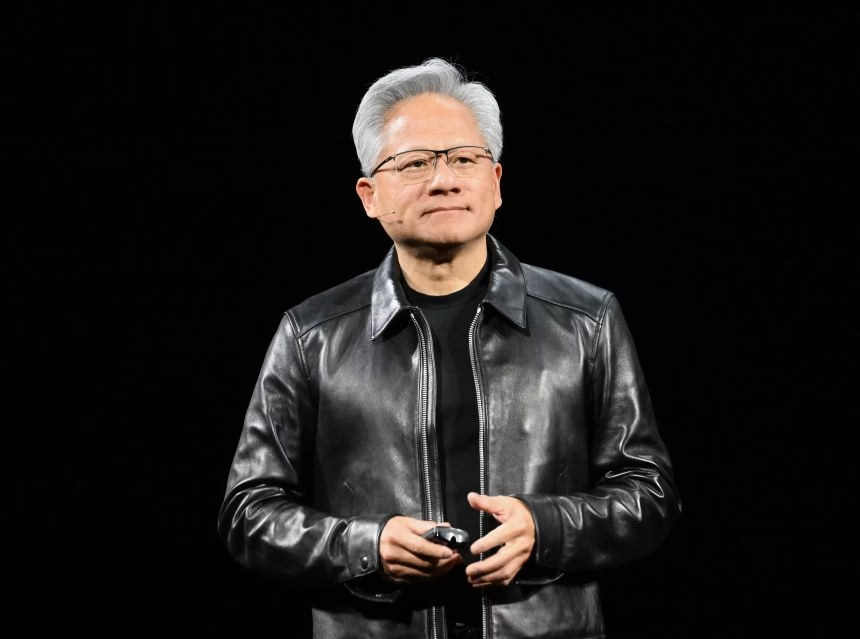
Nvidia co-founder Jensen Huang has resigned as chief executive, president and director, three days after admitting an extramarital affair and as the board investigates reports that he was targeted by a foreign intelligence operation.
The board accepted his resignation on November 11, according to a regulatory filing. Chief Financial Officer Colette Kress becomes interim CEO and remains CFO while the search for a permanent replacement continues. Nvidia gave no reason for the departure.
Nvidia shares fell 14% at the opening bell on Thursday, the Associated Press reported, as investors reacted to the departure of a founder closely associated with the global artificial intelligence boom.
On November 8, Nvidia’s board said it had launched an independent investigation following reports that Huang had been the target of a foreign intelligence effort.
A committee of independent directors, assisted by outside legal counsel, is overseeing the inquiry.
The board said at the time that it had no reason to believe that US national security or Nvidia’s secrets had been compromised. It added that the investigation would examine the available information.
In a message to Nvidia employees published on November 8, Huang acknowledged being unfaithful to his wife and apologised to his family and colleagues. He said he supported the board’s investigation and would cooperate fully.
“I take full responsibility for what I did and the hurt I caused,” Huang wrote.
Scrutiny intensified after reports of another relationship involving a senior Nvidia executive who reported to Huang. Nvidia’s announcement did not address either relationship or say whether the investigation had reached a conclusion.
Kress has served as Nvidia’s executive vice president and chief financial officer since joining the company in 2013. Before Nvidia, she held finance roles at technology companies including Cisco and Microsoft.
Nvidia said its board would consider internal and external candidates for the permanent CEO position. It also appointed longtime director Harvey C. Jones as its first board chair.
Jones said the board expects Nvidia’s operations, customer commitments and product roadmap to continue without interruption.
Kress said she would work with the leadership team to build on the foundation Huang created and continue serving Nvidia’s customers, partners, developers and shareholders.
Huang co-founded Nvidia in 1993 and led its transformation from a graphics chipmaker into one of the most influential companies in artificial intelligence.
Nvidia’s graphics processing units are widely used to train and run AI systems, placing the company at the centre of the infrastructure race among major technology companies, cloud providers and AI developers.
His departure raises questions about how Nvidia will manage those relationships and execute its plans under new leadership. It also comes as investors scrutinise the enormous spending required to build AI infrastructure.
The news reached a cryptocurrency market already under pressure. Before Nvidia confirmed Huang’s resignation, CoinDesk reported that Bitcoin had slipped alongside technology stocks as investors reacted to reports about his position.
The publication also cited continued outflows from US spot Bitcoin exchange-traded funds, making the leadership turmoil one of several factors in the market backdrop.
Nvidia is scheduled to report its fiscal third-quarter results on November 17. Investors will be watching for Kress’s assessment of demand, the company’s outlook and the leadership transition.



Copyright © 2025 - The Bit Gazette.