






- Trending
- Comments
- Latest

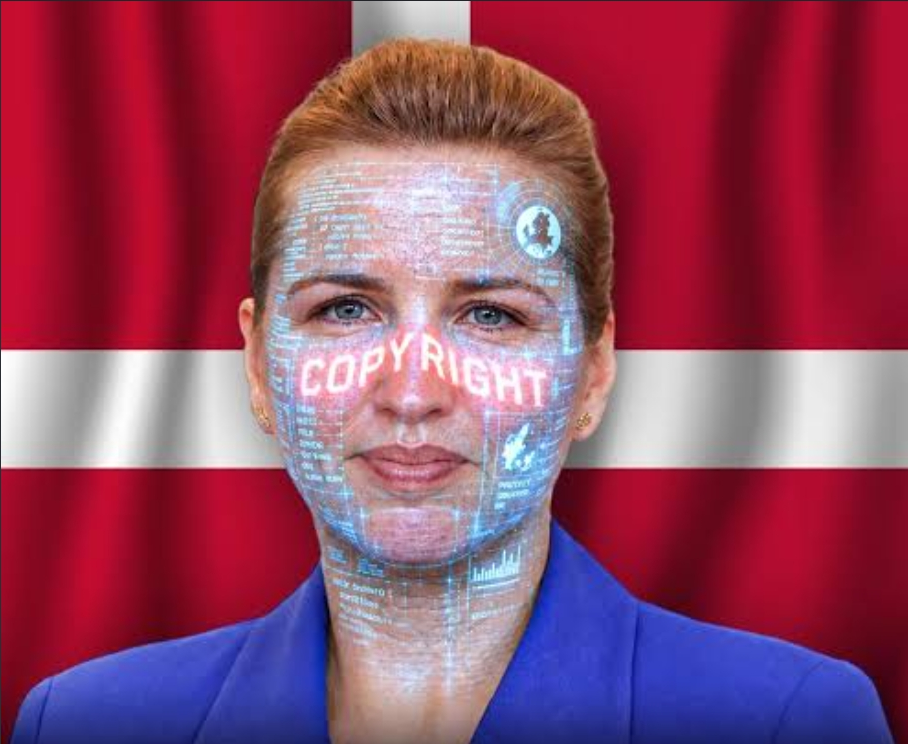
Denmark’s culture minister is asking parliament to protect people against realistic AI imitations of their face and voice, with satire and parody exempt. Bill L 49, tabled by Zenia Stampe on October 8, 2026, would amend the Copyright Act. It is not yet law, and the government hopes it takes effect around the turn of the year.
Culture Minister Zenia Stampe introduced the proposal, known as Bill L 49, on October 8. It follows a political agreement reached in June 2025 between Denmark’s then-government and several other parties.
In an announcement accompanying the bill, the culture ministry said the measure was intended to strengthen protection against digital imitations of personal characteristics and help artists whose livelihoods are threatened by the technology.
Stampe said one of the government’s main goals was to get technology companies to remove manipulated content quickly, limiting the damage it can cause. She added that she hoped the law could take effect around the turn of the year.
That timing has not been confirmed. Parliament has yet to complete its consideration of the bill, and the proposal could still change.
The legislation sets out two forms of protection.
The first would cover individuals against realistic digitally generated imitations of their appearance, voice and other personal characteristics being made available without their consent.
The second would protect performers against the unauthorised sharing of realistic digital imitations of their artistic performances.
Denmark’s earlier notification to the European Commission said the proposed protection for individuals would cover both Danish and foreign nationals, while applying within Danish territory.
The notification also said content made illegal under the proposal could be reported to online sharing platforms. Danish courts could also be given the power to order the removal of infringing copies.
The proposal is not a blanket ban on AI-generated depictions.
According to the Danish Parliament’s summary of the bill, caricature, satire, parody, criticism of those in power and social criticism would generally be exempt.
That distinction matters for creators, journalists and campaigners who use manipulated images or audio for commentary. The final scope of the exceptions will depend on the legislation Parliament adopts and how it is applied.
The proposal also raises questions for platforms that host user-generated content. Denmark’s earlier notification to the European Commission said the plan would increase the amount of content that could be reported as illegal, without itself imposing additional obligations on information society services.
Denmark is using copyright legislation to introduce the proposed protections, but describing the measure as simply giving everyone “copyright over their face” risks overstating what it does.
The bill is aimed at the unauthorised sharing of realistic digital imitations of personal characteristics. It does not mean every photograph, drawing or depiction of a person would automatically be prohibited.
A European Parliament research briefing describes Denmark’s approach as an attempt to use copyright law to address a problem that also touches privacy, personality rights and other areas of law.
The choice of legal framework has drawn criticism. Copyright advocacy organisation COMMUNIA has argued that personal characteristics are different from the creative works copyright law is traditionally designed to protect. The group also reported that the European Commission raised concerns about the copyright approach in comments on an earlier Danish draft.
The bill remains before Parliament’s Culture and Church Committee after its first reading. The committee is scheduled to hold political discussions and issue its report on November 25, ahead of the December readings.
Its progress will be watched by creators, businesses and technology platforms as governments seek ways to respond to increasingly convincing synthetic media.
For now, Denmark’s proposal remains under consideration. The scheduled parliamentary readings are the next steps toward deciding whether the protections become law.



Copyright © 2025 - The Bit Gazette.

