







- Trending
- Comments
- Latest

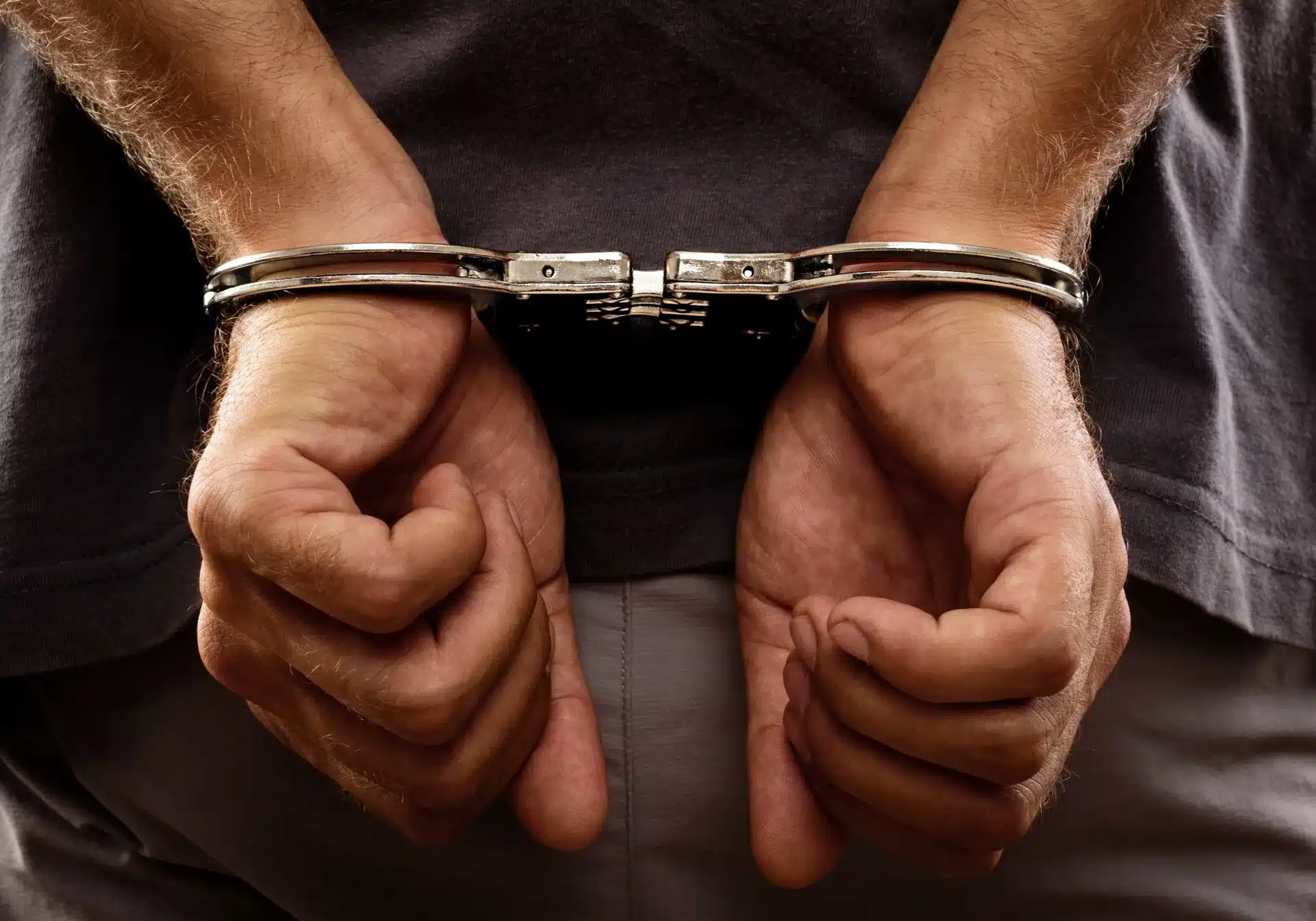
Pakistan has arrested five people accused of running a five-year Karachi call centre scheme that harvested elderly Americans’ medical data for fraudulent insurance claims, and has asked Binance to freeze 223,309.85 USDT linked to the proceeds.
The calls originated from offices at Anam Empire on Sharae Faisal, according to Shahzad Akbar, the agency’s additional director. At a press conference on Wednesday, Akbar said the operation ran from 2020 to 2025 and used three business names over that period — Global Resource Group, Phoenix Marketing Solution and The Call Solution.
Akbar said the callers approached elderly patients in the United States who had not asked to be contacted. The conversations centred on durable medical equipment, commonly referred to as DME. According to investigators, callers misled patients on two points that made the offers sound credible — whether they qualified for the equipment and what their existing health insurance would cover.
Those conversations gave the Karachi operation access to information its US partner could use for billing. Patients allegedly disclosed personal and medical details in response to the equipment offers. The callers then passed those details to the partner in the United States, which investigators say filed claims with Medicare, Humana and UnitedHealthcare.
The agency’s account of the medical billing scam places the patients and the health insurance providers at different ends of the transaction. Investigators allege that the callers obtained the information from patients, while the US partner sought payment from their health plans. The partner reportedly deducted its commission and expenses before distributing the balance among the suspects according to shares they had agreed on in advance.
The National Cyber Crime Investigation Agency said it traced approximately Rs1.2 billion in suspected medical billing scam proceeds to Pakistan. Investigators believe the money reached the country through informal transfer networks and merchant facilities.
The Express Tribune described the channels under investigation as “illegal hawala and hundi networks and merchant facilities.”
Investigators also identified 23 bank accounts allegedly opened in the names of fictitious firms. They said about Rs1.2 billion was deposited into and withdrawn from those accounts within a short period. The figures describe different parts of the medical billing scam investigation. The agency put the face value of the fraudulent US claims in the billions of rupees, while Rs1.2 billion is the amount investigators say they traced to Pakistan.
The agency alleges that some of the money went into movable assets, property and digital currencies. Investigators believe the purchases were intended to conceal where the funds came from.
Investigators seized Rs150 million in cash and a currency-counting machine. They also took possession of four vehicles a Toyota Fortuner, a Toyota Revo, an MG and a Kia Stonic. The agency put their combined value at approximately Rs48 million.
The cryptocurrency identified in the medical billing scam inquiry was held in a Binance account. Investigators traced 223,309.85 USDT, which they valued at roughly Rs60 million, and asked the exchange to freeze the funds. The reported seizure covered the cash and vehicles. The status of the cryptocurrency depended on the freeze request, and the report gave no confirmation that Binance had acted on it.
The medical billing scam has drawn attention to other suspected fraud operations in Karachi. At an earlier briefing, Akbar estimated that 300 to 350 call centres in the city were involved in scams. Some targeted people abroad through what The Express Tribune described as
“impersonation, identity theft and fraudulent financial schemes.”
Akbar also said investigators had found evidence that individuals overseas and merchant networks helped facilitate some operations. He said call centre operators could move into residential premises or shift to other locations, making it harder for investigators to trace them.
That citywide estimate concerns several types of suspected fraud. The medical billing scam case centres on one Sharae Faisal operation, the three names it used and the US billing partner alleged to have turned patients’ information into insurance claims.



Copyright © 2025 - The Bit Gazette.

