

- Trending
- Comments
- Latest

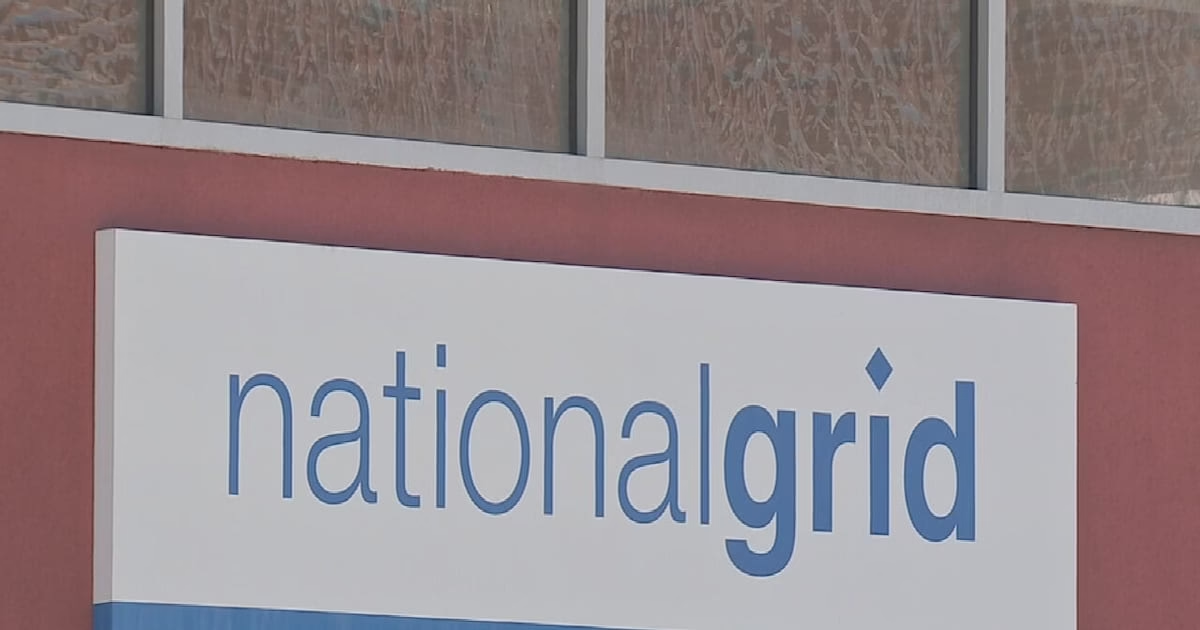
National Grid is warning customers in Greater Boston about phone scammers who falsely claim a utility merger means bills must be paid immediately or service will be cut. The calls, first reported in Danvers, have since reached Reading, Wilmington, Lynnfield and North Reading, according to Patch.
The callers’ approach gives an unexpected payment demand an apparently administrative explanation: a pending change involving the utility.
For someone who believes their bills are already paid, that claim can create doubt about whether an earlier payment was processed correctly. The accompanying shutoff threat then pressures the customer to resolve the alleged problem immediately.
The National Grid scam relies on that combination of confusion and urgency. Rather than giving recipients time to examine their account, the caller seeks payment during an unsolicited conversation.
The supplied report does not disclose how many people have paid the impostors or provide a total for financial losses. Its warning concerns reported approaches across several communities, rather than a quantified assessment of the scheme’s proceeds.
National Grid has extended its alert to both residential and business customers, asking them to scrutinise unexpected payment requests.
A company spokesperson told Patch that scammers use spoofed phone numbers, making calls appear to originate from the utility.
That means a familiar number on a phone screen is not sufficient evidence that the person speaking represents National Grid. The displayed identity can reinforce the false billing story without establishing that the demand is legitimate.
In the National Grid scam, the caller’s apparent identity and claimed knowledge of an account problem work together to encourage trust.
The utility identified additional warning signs beyond the payment demand itself. These include callers who cannot verify account details, request personal information or threaten to disconnect service without previous written warning.
Those details give customers reasons to pause even when the caller sounds authoritative. National Grid acknowledged that it may legitimately contact customers about their accounts or service, so the warning is not that every utility-related telephone call is fraudulent.
The distinction is how the caller behaves, what information they request and whether the customer can independently confirm the issue.
The company drew a clear line around requests for immediate payment through certain methods.
“National Grid reminds customers that while the company may contact customers regarding their accounts or service, it will never demand immediate payment through prepaid cards, gift cards, wire transfers, cryptocurrency, or third-party payment apps,” a spokesperson told Patch.
Cryptocurrency is therefore one of several payment methods covered by the National Grid scam warning. The report does not establish that every caller requested digital assets or that any particular cryptocurrency was used.
The central issue is the demand for an immediate transfer under threat of losing service. Gift cards, prepaid cards and third-party apps are part of the same warning.
Requests for personal or financial information present another concern. Utility impostors may seek account details that can later be used to pursue payment or create fraudulent bills.
The National Grid scam alert consequently covers both pressure to send money and attempts to obtain information during unexpected calls.
National Grid advised customers to contact the company using the telephone number printed on their bill to check suspicious communications.
That creates a separate route to the utility instead of relying on the identity claimed by an unsolicited caller. Customers were also advised not to disclose financial or personal details during unexpected calls.
“If you suspect a scam, hang up immediately and report the incident to National Grid or local law enforcement,” the spokesperson told Patch.
Reporting the National Grid scam can help the utility and police identify further approaches and warn other communities. The account does not announce arrests or identify the people responsible.
For customers receiving these calls, the company’s guidance is straightforward: end the suspicious conversation and independently check the account. A claimed merger, recognisable caller ID or urgent shutoff warning does not establish that money is owed.
The National Grid scam depends on customers accepting those claims before verifying them. The utility’s warning asks them to take that verification step before sharing information or making a payment.



Copyright © 2025 - The Bit Gazette.