

- Trending
- Comments
- Latest

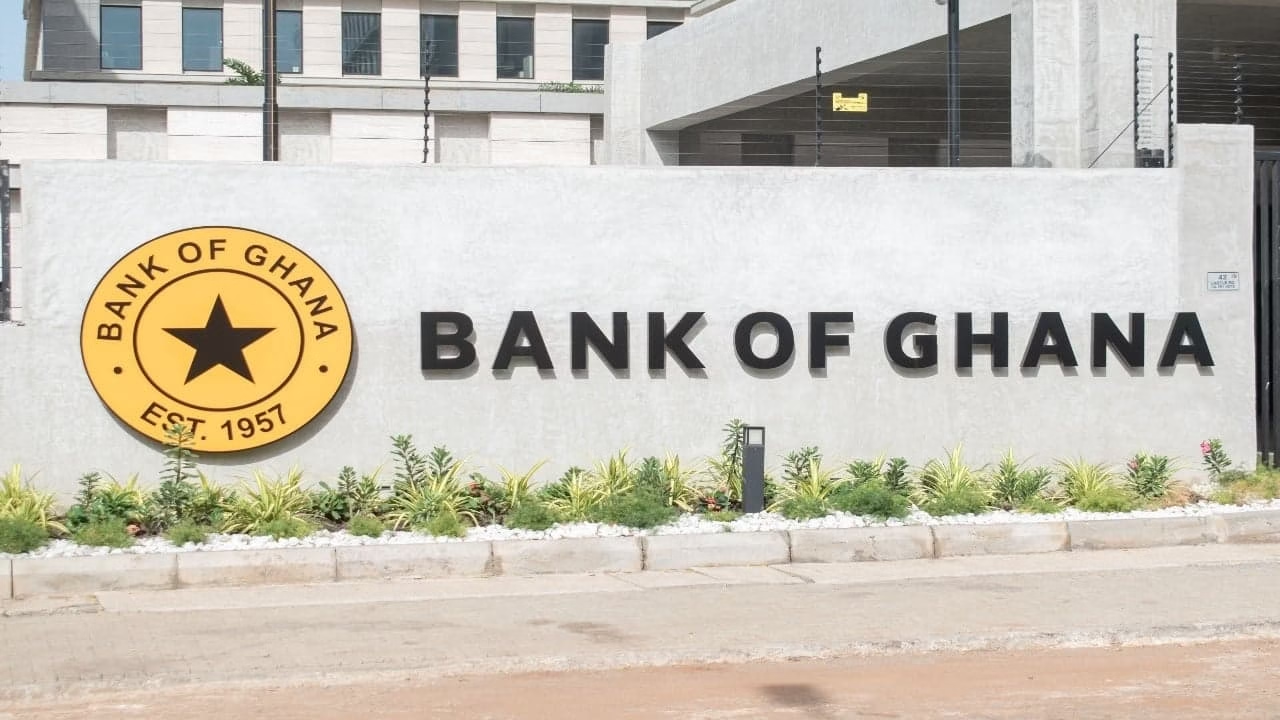
The Bank of Ghana is drafting a stablecoin directive, Governor Johnson Asiama said on Monday, as the central bank weighs the benefits of digital dollars against the risk they erode its control over the cedi.
He said the proposed directive would bring stablecoin-related activities under formal supervision while providing regulatory clarity for businesses operating in the sector.
“Stablecoins are a priority within this framework indeed, and the Bank of Ghana is currently developing a stablecoin directive, and this is to set clear requirements for stablecoin activities in Ghana while providing clarity for any permitted activities,” Asiama said.
The move comes as Ghana attempts to balance the potential benefits of digital currencies against concerns that widespread adoption of dollar-pegged tokens could weaken domestic monetary control.
Stablecoins are digital tokens designed to maintain a relatively stable value by tracking conventional currencies or other assets. Most are pegged to the US dollar, making them attractive for payments, remittances and international transactions.
Across Africa, their use has gained attention as individuals and businesses seek alternatives to traditional payment channels, which can involve high transaction costs, delays and multiple financial intermediaries.
However, the Bank of Ghana is concerned that increasing reliance on foreign-currency stablecoins could create challenges for the country’s monetary sovereignty.
Asiama identified several potential risks, including currency substitution, changes in capital flows and reduced effectiveness of monetary policy. If individuals and businesses increasingly hold and transact in dollar-denominated digital tokens instead of the cedi, the central bank could face greater difficulty influencing domestic financial conditions.
The governor’s comments reflect growing concerns among monetary authorities about the expansion of dollar-backed digital assets in emerging markets. However, there is currently no established evidence that stablecoin adoption has materially weakened the cedi.
The International Monetary Fund (IMF) has also warned about the potential consequences of widespread dollar-linked stablecoin adoption.
In August, IMF First Deputy Managing Director Dan Katz cautioned that these digital assets could accelerate dollarisation, particularly in economies where confidence in domestic currencies is already under pressure.
He also warned that stablecoins could amplify capital outflows during periods of financial stress by allowing users to move funds outside traditional banking channels and potentially bypass capital-flow management measures.
The scale of dollar dominance in the sector adds to these concerns. According to the IMF, nearly 99% of stablecoins worldwide are denominated in US dollars.
Nevertheless, Ghana’s central bank is not dismissing the technology entirely. Asiama acknowledged that stablecoins could reduce the cost of diaspora remittances and improve trade settlement between African economies.
These benefits could support regional commerce under the African Continental Free Trade Area (AfCFTA), particularly by reducing dependence on foreign intermediaries and improving cross-border payment efficiency.
The central bank is also exploring the technology through experimental payment initiatives. On October 13, Asiama disclosed that Ghana was testing cross-border interoperability involving central bank digital currencies, stablecoins, traditional bank accounts and mobile wallets along payment corridors connecting Rwanda and Nigeria.
The trials remain experimental, but they indicate that the central bank is exploring ways to incorporate digital financial infrastructure into its payment system while maintaining regulatory oversight.
The proposed stablecoin directive is part of a broader effort to establish a formal regulatory structure for Ghana’s growing virtual-asset industry.
The country enacted the Virtual Asset Service Providers Act, 2025 (Act 1154), in December 2025, creating the legal foundation for supervising businesses involved in digital-asset activities.
The legislation covers several areas of the industry, including stablecoin issuance, cryptocurrency exchanges, digital wallets, custody services and tokenisation.
Under the regulatory framework, responsibilities are distributed among multiple institutions.
The Bank of Ghana oversees payment-related digital assets and activities that could affect monetary stability. The Securities and Exchange Commission (SEC) supervises trading, issuance and investment-related services, while the Financial Intelligence Centre supports efforts to address financial crime risks.
The institutions are working together to develop the necessary regulatory instruments, licensing requirements and supervisory arrangements.
The scale of Ghana’s digital-asset market highlights the importance of the initiative. A draft central bank policy paper released in November 2025 estimated that the country’s virtual-asset ecosystem served more than three million users.
Additionally, a mandatory registration exercise conducted in July 2025 recorded more than 100 virtual-asset service providers, according to Graphic Online.
The Bank of Ghana has also estimated that approximately $3 billion in cryptocurrency transactions passed through the country between July 2023 and June 2024.
However, these figures do not establish how many Ghanaian users specifically transact in stablecoins.
Regulatory implementation is still ongoing. Asiama said in August that the country intended to make the Virtual Asset Service Providers Act fully operational by 2027. The central bank has not announced a separate implementation deadline for the proposed stablecoin directive.
Meanwhile, the SEC is using a regulatory sandbox to assess digital-asset businesses before introducing a comprehensive licensing regime.
Launched in March with 11 participants, the sandbox had expanded to 20 companies by August. The participating businesses are testing services involving cryptocurrency exchanges, brokerage operations and the tokenisation of gold, securities and trade finance.
In August, Universal Merchant Bank became the first lender approved by both the central bank and the SEC to provide virtual accounts to businesses operating in the sector.
Authorities have also taken steps to control how digital-asset products are marketed before the licensing framework is completed.
In February, the Bank of Ghana and SEC ordered virtual-asset operators to stop public advertising of cryptocurrency and stablecoin products. Businesses were also instructed to remove their advertising billboards within 48 hours, with regulators warning that failure to comply could attract sanctions.
Beyond monetary stability, the proposed stablecoin rules could influence Ghana’s ambition to become a leading destination for digital-asset businesses in West Africa.
Regulatory clarity is increasingly important for companies considering investments in emerging digital-finance markets. Businesses require predictable licensing conditions, clear supervisory responsibilities and consistent enforcement before committing significant capital.
SEC Director-General James Klutse Avedzi highlighted this challenge in August, warning that Ghana’s ambition to become a regional virtual-assets hub would depend on the quality and consistency of its regulatory environment.
“Investors, both local and international, will not build here if they believe the rules are unclear and unevenly enforced,” Avedzi said.
The central bank has indicated that its approach will account for differences in the risks associated with various digital-asset activities rather than applying identical requirements across the industry.
“Not all virtual asset activities present the same risks, and our approach must reflect their nature, their scale and complexity,” Asiama said.



Copyright © 2025 - The Bit Gazette.