

- Trending
- Comments
- Latest

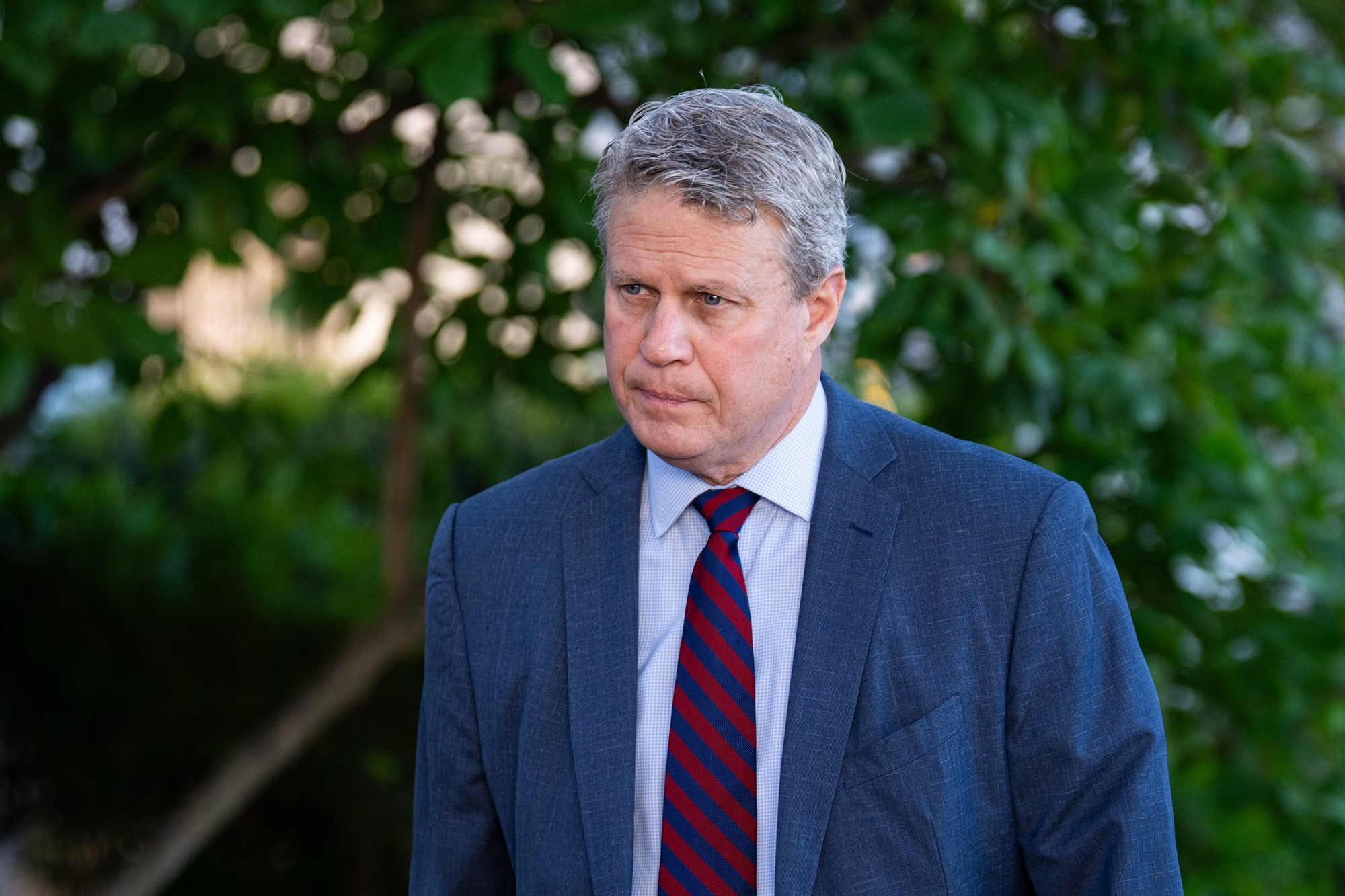
Michigan Republican Bill Huizenga, a prominent voice on digital asset policy, has lost his House seat to Democrat Sean McCann, the Associated Press projected on November 4, 2026, despite about $1 million in support from the industry’s Fairshake PAC. He was one of six House incumbents Fairshake backed with $1 million each.
According to the reported election results, McCann secured 50.1% of the vote, compared with Huizenga’s 48.3%, establishing a margin of approximately 7,000 votes from nearly 300,000 ballots cast.
The Associated Press called the race on Wednesday afternoon after more than 97% of the votes had been counted. The result was particularly significant because Michigan’s 4th Congressional District had been considered relatively favourable to Republicans before election day.
Huizenga was seeking another term after representing the district for eight consecutive terms. His political experience and involvement in financial legislation made him an important figure for cryptocurrency advocates seeking to maintain congressional support for the industry.
Federal campaign finance disclosures cited in the report showed that Fairshake spent approximately $1,019,166 supporting Huizenga during the general election.
The investment was part of a wider financial commitment announced in October, when the organisation allocated at least $1 million each to six incumbent members of the House.
The Crypto PAC strategy was designed to support politicians who had demonstrated favourable positions towards cryptocurrency-related legislation, particularly proposals seeking clearer regulatory guidelines for digital assets.
Outside political organisations collectively reported spending more than $25 million in the district, with House Majority PAC alone directing approximately $6 million against Huizenga.
Huizenga was not the only cryptocurrency-friendly Republican to lose a congressional seat during the election.
Other members of the House Financial Services Committee who received backing from the cryptocurrency industry also experienced significant defeats.
Republican Representative Bryan Steil, who chaired the Subcommittee on Digital Assets, Financial Technology and Artificial Intelligence, lost his Wisconsin contest to Democrat Mitchell Berman. Berman secured approximately 52% of the vote against Steil’s 48%.
Representative Ann Wagner of Missouri also lost to Democrat Fred Wellman, while Republican Representative Zach Nunn of Iowa was defeated by state Senator Sarah Trone Garriott.
Meanwhile, Representative Mike Lawler of New York conceded to Democrat Cait Conley before the Associated Press officially called the contest.
These results have created uncertainty around the future leadership of congressional committees responsible for financial markets and digital asset policy.
Fairshake had committed at least $1 million to each of six House incumbents in October. Besides Huizenga and Steil, the organisation also supported House Financial Services Committee Chairman French Hill of Arkansas.
The Crypto PAC network had hoped that supporting these lawmakers would strengthen its relationship with Congress and preserve political momentum behind cryptocurrency legislation.
However, the losses of Huizenga and Steil are particularly important because both lawmakers occupied influential positions within the committee’s digital asset policy structure.
According to the original report, all 32 House incumbents supported by the Fairshake network during the election cycle had voted in favour of the CLARITY Act when it passed the House in July 2025 by 294 votes to 134.
Supporting lawmakers who favour digital asset legislation was part of a broader effort to influence how the United States approaches cryptocurrency regulation.
The election results arrive at a critical moment for the cryptocurrency industry, which has been pushing for more predictable regulatory policies in the United States.
Fairshake and affiliated political organisations reportedly committed approximately $176 million to more than 100 electoral contests during the 2026 election cycle.
The campaign reflected the industry’s growing willingness to use political funding to support candidates considered favourable to its regulatory objectives.
According to the report, Fairshake entered September with approximately $120.4 million in available funds, demonstrating the financial resources behind its political operations.
However, the organisation’s influence extends beyond supporting individual candidates. Its broader objective has been to encourage lawmakers to establish a regulatory environment that allows cryptocurrency companies to operate with greater clarity.
One of the industry’s major legislative priorities is the CLARITY Act, a proposed framework intended to establish clearer responsibilities for regulators overseeing digital assets and cryptocurrency markets.
The legislation passed the House in July 2025 but subsequently encountered difficulties in the Senate. A Senate cloture vote on September 15 ended with 49 votes in favour and 50 against, preventing the measure from advancing through that procedural stage.
The Crypto PAC campaign had therefore become increasingly important to industry participants seeking to maintain legislative support for the proposal.
With Republicans losing control of the chamber, Democrats are positioned to take over the leadership of the House Financial Services Committee.
Representative Maxine Waters of California, who previously chaired the committee between 2019 and 2023, is expected to be a leading candidate to return to the position.
The original report also shows that Democrats could reconsider the structure of the digital assets subcommittee following Steil’s defeat. Its name, responsibilities and membership are determined by each new Congress, meaning its future composition is not guaranteed.
The developments matter because changes in congressional leadership can affect the speed, direction and prospects of legislation governing digital asset exchanges, token issuers and other market participants.
The change in congressional leadership could have consequences beyond the political careers of individual lawmakers. It may also influence how quickly the United States develops a comprehensive framework for regulating cryptocurrency businesses.
However, a change in congressional leadership could introduce new disagreements over how digital assets should be regulated.
Democratic lawmakers may favour a different balance of responsibilities between the Securities and Exchange Commission (SEC) and the Commodity Futures Trading Commission (CFTC).
This possibility creates uncertainty around the future of the CLARITY Act and other proposals intended to define the regulatory boundaries of the cryptocurrency industry.
The Crypto PAC network will therefore have to reassess its political strategy following the election. Although Fairshake and its affiliated organisations retain considerable financial resources, the defeats of prominent lawmakers demonstrate that financial influence has limitations.
It is also important to recognise that the election was not a complete rejection of cryptocurrency-friendly candidates. The industry supported candidates across both political parties, and several of its preferred candidates secured victories.
Huizenga’s defeat represents a significant setback for the Crypto PAC campaign, particularly given the amount invested in maintaining his congressional position.
The outcome also reinforces an important lesson for cryptocurrency industry stakeholders: political donations can help build relationships and support legislative priorities, but they cannot guarantee electoral victories.



Copyright © 2025 - The Bit Gazette.