







- Trending
- Comments
- Latest
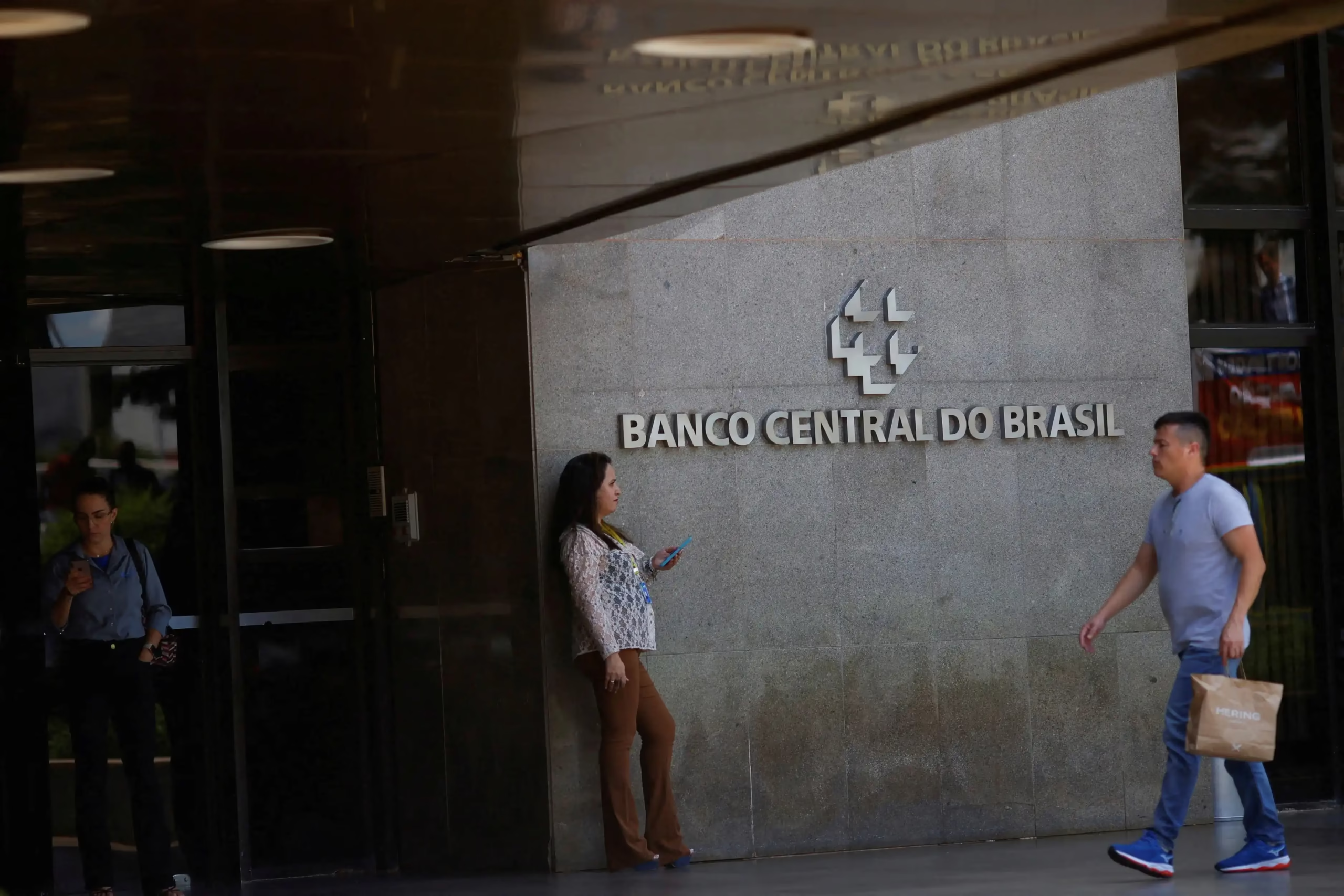
A senior Central Bank of Brazil official has said that clean money becomes “bad money” the moment it is converted into stablecoins, and that the conversion itself marks it as laundering.
Gerson Romantini, head of the bank’s Exchange Division, made the remarks at a closed event with crypto executives, local outlet Livecoins reported.
According to Livecoins, Romantini argued that moving otherwise legitimate funds into the stablecoin market could change how those funds are regarded.
“Anyone with good money who goes into this stablecoin market knows their money has become bad. It’s not that it was bad at the origin, but the moment it transitions in this way, it starts to have a bad money mark, and from then on it is also characterized as money laundering,” he said.
The statement places stablecoin adoption within the central bank’s broader concerns about financial oversight. Its focus was particularly on remittances, where companies can use dollar-linked tokens to move value between jurisdictions.
The supplied account does not identify a newly issued rule accompanying the remarks or provide a legal explanation establishing that all such conversions are unlawful.
That distinction matters because the official’s broad language extends beyond the specific payment practice described in the report.
Romantini also discussed an arrangement known as stablecoin sandwiching. Under that model, a company receives Brazilian reais, converts the money into stablecoins and transfers the tokens to another company abroad. The overseas business then uses the value to pay bills or facilitate family remittances.
For companies pursuing stablecoin adoption in international payments, the model connects local-currency collection with blockchain-based transfers and payment delivery abroad.
According to the report, Resolution No. 561/2026 prohibits this arrangement. The central bank issued the resolution on April 30, 2026, with an effective date of October 1.
Livecoins also cited an unidentified source suggesting that further restrictions could push fintech companies out of the remittance market, leaving those services exclusively to banks.
That prospect remains a reported interpretation rather than a separately announced measure in the supplied account. The distinction is important for assessing the immediate implications for stablecoin adoption: an existing restriction on a particular arrangement is different from a confirmed prohibition covering all fintech remittance activity.
Taxation presents another point of contention. The government previously planned a 3.5% levy on cryptocurrency remittance transactions, alongside an exemption for users moving no more than 10,000 Brazilian reais monthly, approximately $1,910 in the source’s conversion.
The proposal was delayed as President Luiz Inácio Lula da Silva’s administration entered election mode, according to the report. It suggests the measure could return following his reported re-election, but does not identify a new implementation date.
For stablecoin adoption, that leaves uncertainty over both the eventual tax treatment and the timetable for any change. A delayed proposal should not be treated as a tax already being collected.
The plan also prompted opposition in Congress. A crypto-aligned faction pledged to challenge it, arguing that applying the measure would conflict with national cryptocurrency legislation distinguishing virtual assets from domestic and foreign currencies.
The source does not report a final congressional or judicial resolution of that disagreement.
The latest remarks follow previous criticism from Central Bank President Gabriel Galípolo. In February 2025, Galípolo said some people used stablecoins because they were “buying things and don’t want to declare what they are buying because they want to avoid some type of taxation.”
His comments show that official concerns about stablecoin adoption predate the latest closed-door meeting. Both accounts link the technology’s use to questions about transaction visibility, declarations and compliance.
However, the supplied report provides no data measuring the proportion of stablecoin transactions associated with tax evasion or money laundering. It also does not establish that those motives explain every user’s decision to employ the tokens.
The immediate policy picture contains several distinct elements: reported criticism from an official, an existing restriction on a specified payment arrangement, possible further limits on fintechs and a delayed tax proposal.
The outlook for stablecoin adoption in Brazil will depend on how those elements develop. For now, the reported remarks signal a restrictive stance, while the scope and timing of any additional measures remain unresolved.



Copyright © 2025 - The Bit Gazette.