

- Trending
- Comments
- Latest

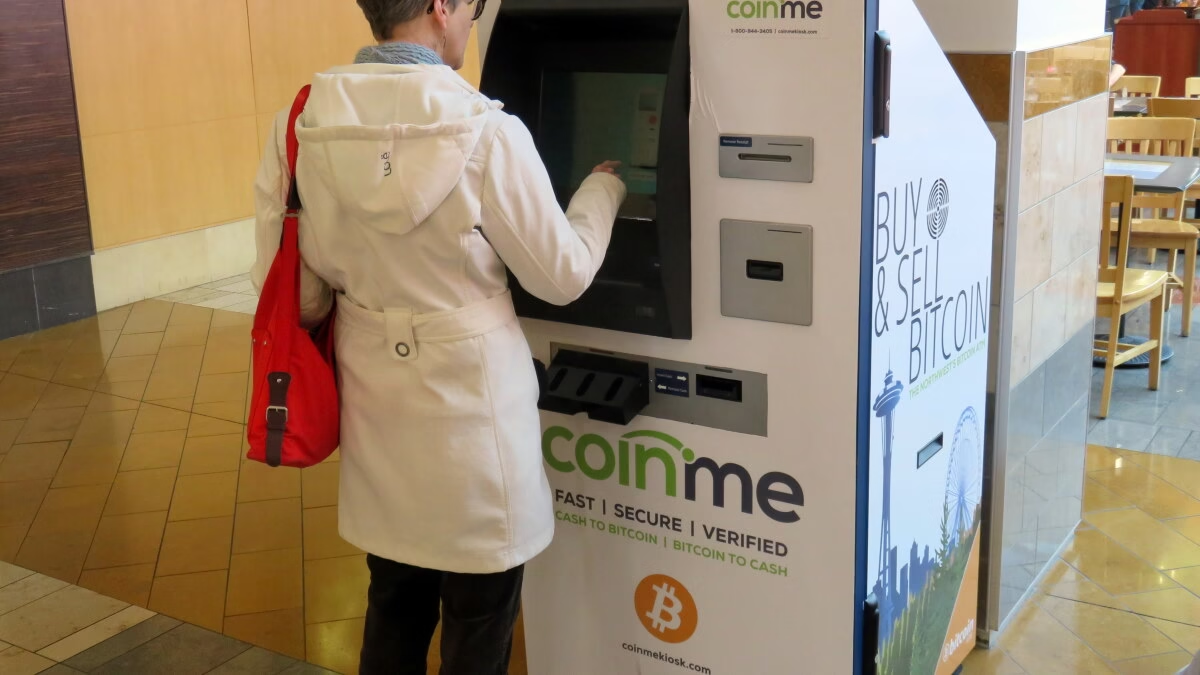
Coinme, the Seattle-based crypto kiosk operator, must end its virtual currency kiosk business by January 1, 2027, or pay an extra $4 million, under a $2.5 million settlement with 34 state regulators. Announced October 28, the agreement resolves alleged Bank Secrecy Act and anti-money laundering failures found in a multistate examination.
Under the agreement, Kentucky will receive $62,853.57 from the settlement. Coinme must also appoint an independent consultant to review its anti-money laundering compliance programme, identify deficiencies and report the findings to participating state regulators.
The enforcement action follows a multistate examination that identified weaknesses in the company’s transaction monitoring, customer identification, suspicious activity reporting, enhanced due diligence and recordkeeping procedures.
The settlement involves 34 state financial regulatory agencies and addresses alleged violations of the Bank Secrecy Act (BSA) and anti-money laundering (AML) laws.
These requirements are designed to help financial institutions detect suspicious transactions, maintain appropriate customer records and prevent financial services from being exploited for illicit purposes.
According to the Kentucky Department of Financial Institutions, the state’s staff participated in a multistate examination of Coinme in June 2025. The examination identified significant weaknesses in the company’s compliance programme.
The findings covered several areas, including transaction monitoring controls, know-your-customer policies, suspicious activity reporting procedures, enhanced due diligence and recordkeeping.
These controls are important for a crypto kiosk operator because transactions involving cash and digital assets can create challenges for identifying customers, assessing suspicious activity and tracing funds.
Kentucky’s Commissioner of Financial Institutions, Marni Rock Gibson, said the deficiencies identified during the examination raised concerns about consumer safety.
“The deficiencies identified during the multi-state examination created a high-risk environment, leaving consumers vulnerable to exploitation by criminal actors,” Gibson said.
She added that protecting the public from financial harm and ensuring confidence in financial transactions remain priorities for the department.
The settlement establishes corrective measures for Coinme while requiring the company to discontinue its kiosk operations by the specified deadline.
Under the agreement, Coinme must terminate its virtual currency kiosk operations by January 1, 2027, or face an additional $4 million penalty.
The company must also hire an independent consultant to evaluate the comprehensiveness and effectiveness of its BSA and AML programme.
The consultant must submit a report to the participating states within six months. Coinme will then have 12 months from the filing of that report to correct any deficiencies identified during the review.
The arrangement combines a financial settlement with a formal compliance assessment and a deadline for ending the company’s kiosk operations.
The settlement amount will be distributed among participating states according to transaction volume. Kentucky’s allocation of $62,853.57 represents its share of the overall $2.5 million agreement.
During the 2026 legislative session, Beshear signed Senate Bill 189 into law, establishing licensing and consumer protection requirements for virtual currency kiosk businesses. The legislation provides a framework for the Kentucky Department of Financial Institutions to regulate operators and process consumer complaints.
The new rules reflect growing attention to the risks associated with cryptocurrency kiosks, particularly their use in transactions involving fraud and financial exploitation.
In a statement announcing the settlement, Beshear connected the state’s enforcement efforts with its broader consumer protection priorities.
“Team Kentucky is committed to holding bad actors accountable, addressing practices that put consumers at risk, and safeguarding the financial interests of Kentuckians,” Beshear said.
The governor’s statement framed the settlement as part of the state’s effort to protect residents from financial harm. The agreement itself, however, specifically addresses Coinme’s alleged violations of federal anti-money laundering and financial recordkeeping requirements.
The regulatory changes are also significant for consumers who use cryptocurrency kiosks to purchase digital assets. Such machines can provide a convenient way to access cryptocurrency, but transactions may be difficult to reverse once funds have been transferred.
The FBI reported that its Internet Crime Complaint Center received more than 13,400 complaints involving cryptocurrency kiosks in 2025, with reported losses exceeding $388 million. The agency said both complaint numbers and losses increased from 2024.
That data provides broader context for regulators’ concerns about kiosk-related fraud, although it does not establish that Coinme was responsible for the reported losses.
As the January 1, 2027, deadline approaches, Coinme must comply with the agreement’s operational requirements or risk the additional penalty. The independent review will also determine what further corrections are needed to address the compliance deficiencies identified by regulators.
The outcome reinforces a central message for cryptocurrency businesses: operating through digital assets does not remove the obligation to comply with applicable financial laws and consumer protection standards.



Copyright © 2025 - The Bit Gazette.