







- Trending
- Comments
- Latest

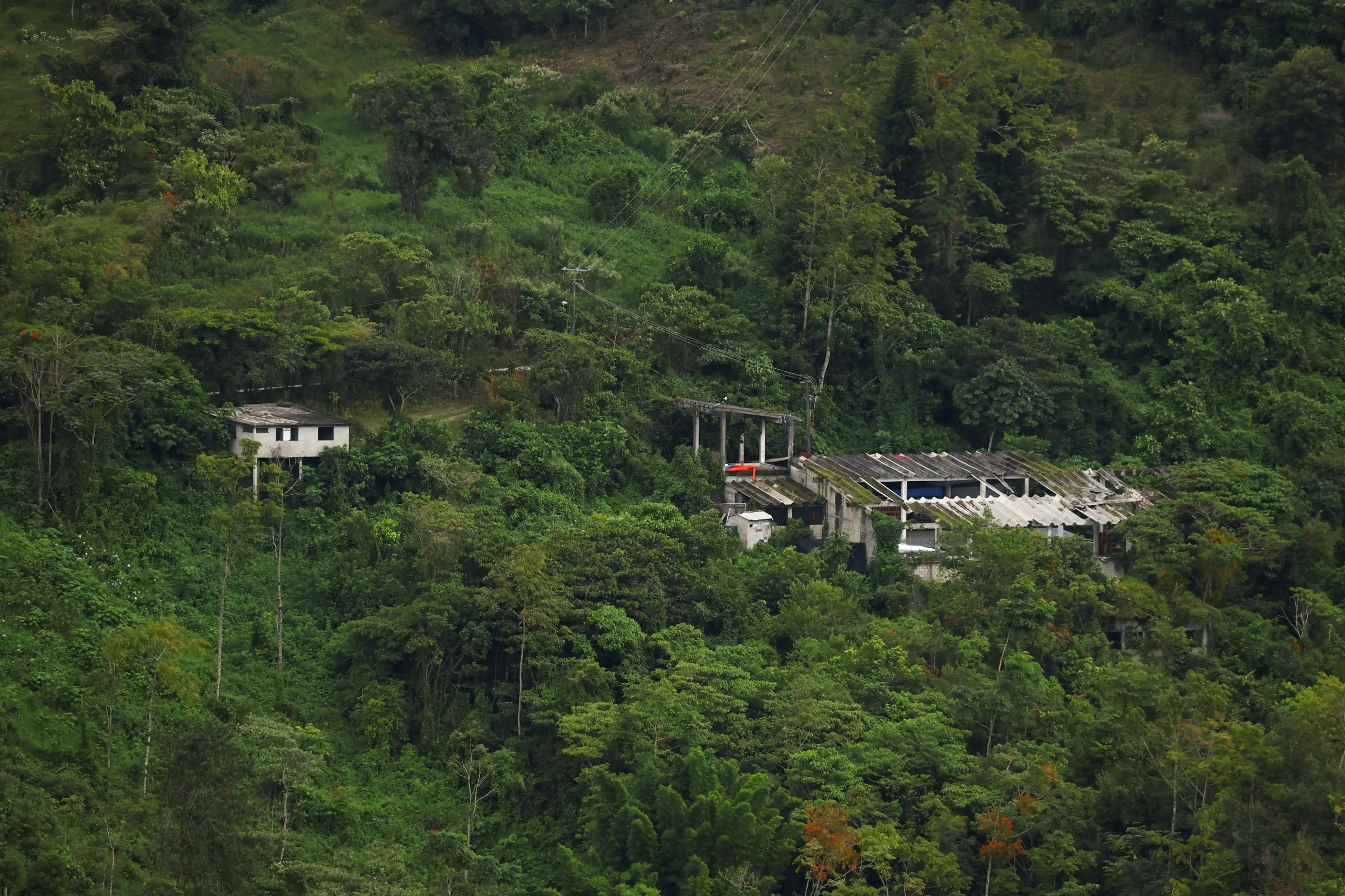
Mexican authorities uncovered a hidden crypto mining operation in the mountains of Puebla state on September 8, 2026, seizing 300 GPUs, 80 medium-voltage terminals and eight satellite antennae after tracing unusual electricity draw and machine noise to the site.
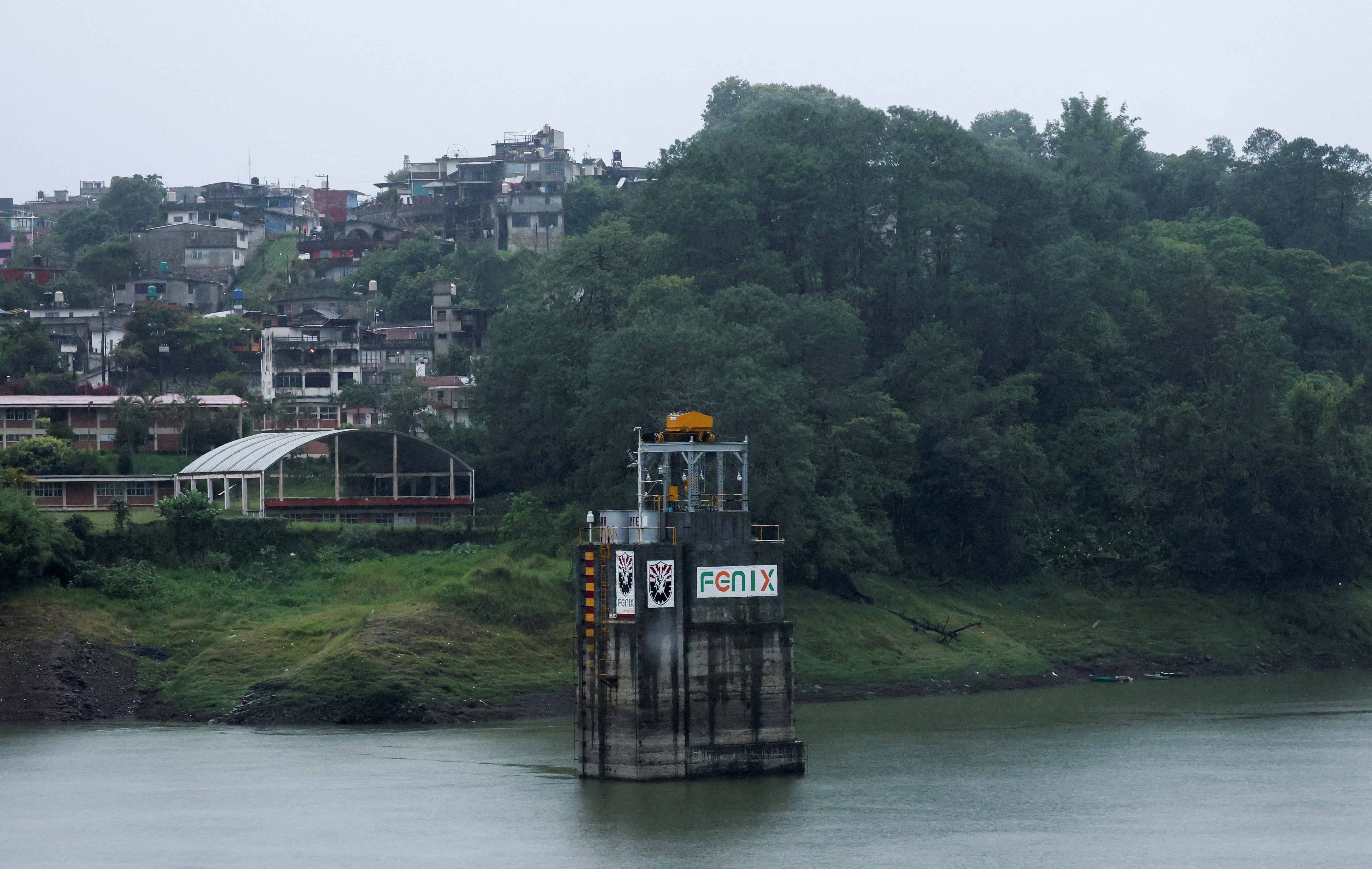
The operation, located in Tlaola in the municipality of Juan Galindo, was allegedly drawing electricity from infrastructure connected to the nearby Necaxa hydroelectric system. Authorities seized 300 graphics processing units (GPUs), 80 medium-voltage terminals and eight satellite antennae from the site.
The discovery marks the fourth suspected crypto farm found in the area since early last year, raising concerns that organized criminal groups may be expanding their activities beyond traditional drug trafficking and extortion into cryptocurrency-related financial crime.
The facility was concealed beside a little-used gravel road in a densely forested mountainous area. Its location appeared designed to keep the operation away from public view, although the heavy electrical demand and constant noise eventually drew attention.
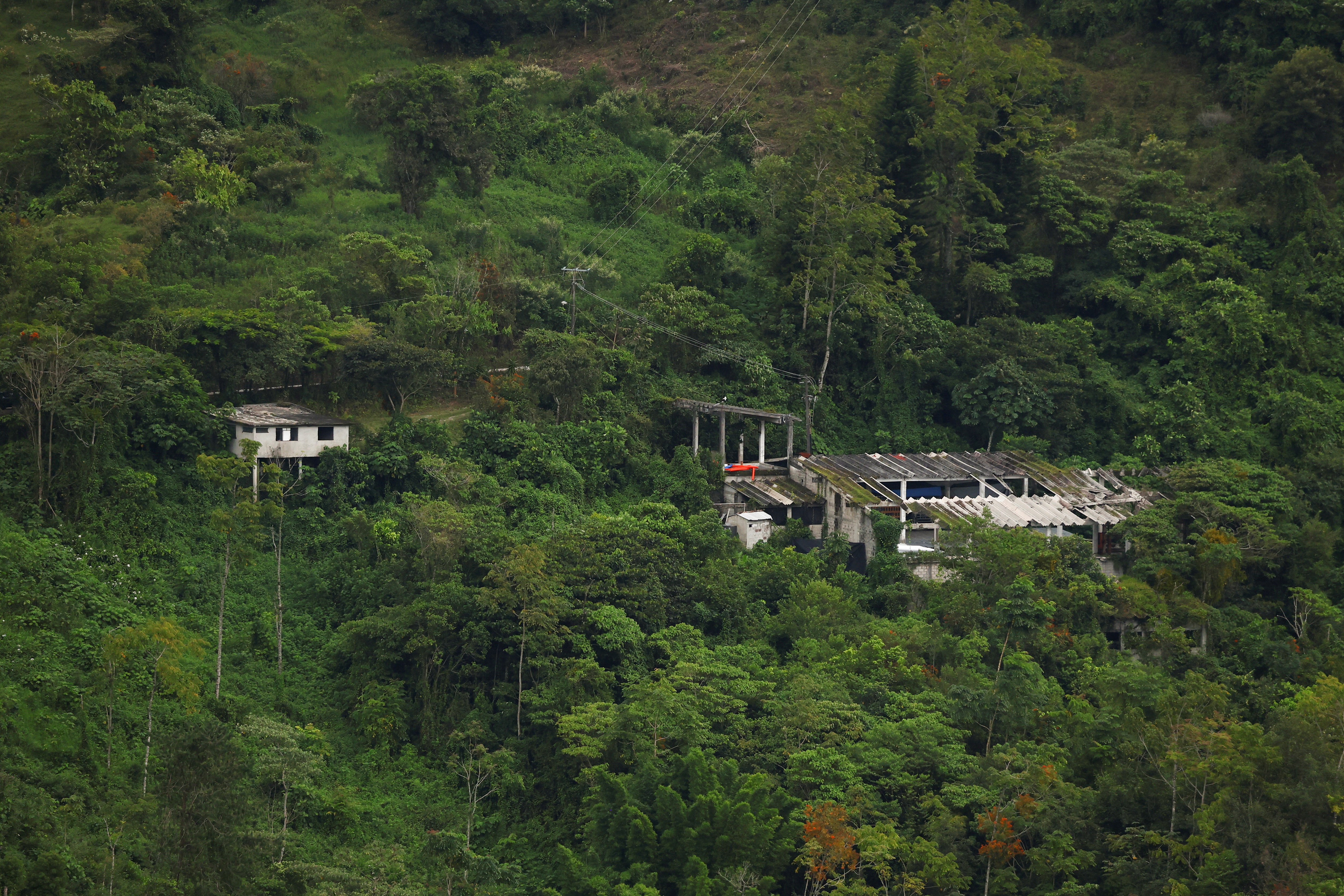
Two residents of nearby communities, who spoke to Reuters on condition of anonymity because they feared reprisals, said the machines could be heard from roughly one kilometer away. The facility itself was about twice that distance from the nearest village.
Mexico’s federal attorney’s office declined to comment, citing an active investigation.
Cryptocurrency mining requires large amounts of electricity because powerful computers must operate continuously to solve the mathematical problems used to create digital assets such as bitcoin.
That makes electricity one of the largest operating costs for miners. The economics can become significantly more attractive when operators have access to inexpensive power or allegedly obtain it illegally.
Authorities are investigating whether the crypto farm in Puebla was stealing electricity from the nearby hydroelectric infrastructure.
“If they were stealing the electricity, the main costs of the operation would be, well nothing,” said Samuel Leon, an expert in energy theft at Mexico’s Iberoamericana University, referring to the Puebla operation.
The University of Cambridge’s Bitcoin Electricity Consumption Index estimates that producing one bitcoin costs nearly $45,000 in electricity and other energy-related expenses. With bitcoin trading at around $78,000, the difference can represent a substantial margin for miners able to keep operating costs low.
The suspected crypto farm was equipped with hundreds of GPUs, which are commonly used for computationally intensive cryptocurrency mining, along with medium-voltage terminals and satellite equipment.
David Saucedo, a Mexico-based security analyst, said the scale and technical requirements of the facility pointed toward the involvement of a financially capable criminal organization.
“Drug cartels appear to have reached a new level of sophistication,” said David Saucedo, a Mexico-based security analyst.
Saucedo said establishing an operation of this kind would require technical expertise and financial backing, potentially from one of Mexico’s most powerful cartels.
The Puebla discovery comes as cryptocurrency increasingly becomes part of the financial infrastructure used by both legitimate businesses and criminal networks.
According to blockchain analytics firm Chainalysis, illicit cryptocurrency transactions more than doubled globally in 2025. Addresses linked to criminal activity received an estimated $154 billion during the year, compared with $59 billion in 2024.
Chainalysis attributed much of the increase to a rise in transactions associated with sanctions evasion, including payments involving sanctioned governments.
Caio Motta, Chainalysis’ Latin American specialist, said criminal organizations in the region are increasingly turning to cryptocurrency transfers and mining operations as part of broader money-laundering strategies.
“These locations will have very cheap electricity, or be in an area under the influence of organized crime so they’re able to steal electricity and establish a large infrastructure to mine cryptocurrency,” Motta said.
The suspected crypto farm therefore presents investigators with two interconnected concerns: the potential theft of electricity and the possibility that mining could provide criminal groups with a way to generate or move illicit proceeds.
The operation itself is relatively modest compared with large commercial cryptocurrency-mining facilities operating elsewhere in the world. However, its discovery is significant because it follows three similar operations uncovered near the same hydroelectric dam in northern Puebla last year.
Local authorities said they are working with neighboring states to determine whether additional hidden mining facilities may exist in the region.
The Puebla crypto farm is part of a broader international pattern in which authorities have targeted illegal cryptocurrency-mining operations suspected of exploiting electricity networks or operating under the protection of organized crime.
Similar raids have occurred in Brazil, the United States and Southeast Asia. Thailand, for example, has seen authorities target a major bitcoin-mining operation that reportedly extended across five provinces.
Motta said the growth of cryptocurrency adoption is likely to create further opportunities for criminal activity, even as law-enforcement agencies improve their ability to track blockchain transactions.
“Law enforcement agencies are becoming far more equipped to fight organized crime using cryptocurrency,” he said.



Copyright © 2025 - The Bit Gazette.

