

- Trending
- Comments
- Latest

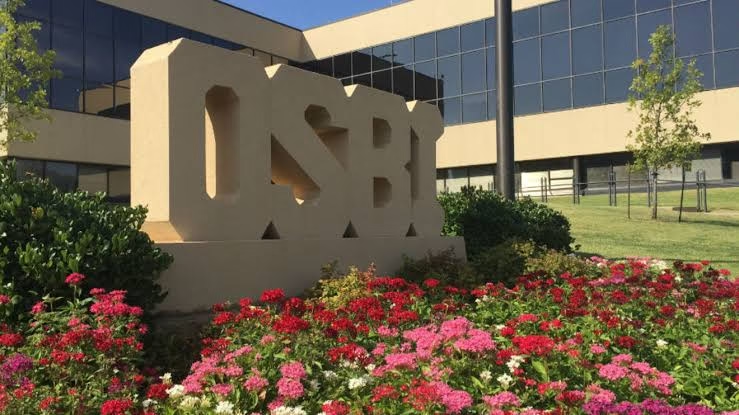
Oklahoma investigators have seized more than $581,000 in cryptocurrency from accounts tied to scammers who posed as bank employees, roughly eight times the $70,000 that dozens of victims reported losing, the Oklahoma State Bureau of Investigation (OSBI) said on 27 October 2026.
According to the OSBI, the callers claimed that a transaction on the woman’s bank account involved the purchase of child sexual abuse material. They then told her she needed to transfer money through cryptocurrency or authorities would be contacted.
The allegation formed the basis of the scammers’ demand for payment. The account provided by investigators describes an attempt to obtain money through impersonation and threats; it does not establish that the woman had made the transaction described by the callers.
What began with that complaint subsequently widened into a crypto scam investigation involving victims beyond Norman. A local detective’s examination of cryptocurrency transactions helped authorities identify connections to other people who had been contacted by the scammers.
The scheme combined a claim of banking authority with the threat of a report to law enforcement. By presenting themselves as bank employees, the scammers framed their approach around an alleged problem with the woman’s account before demanding a cryptocurrency payment.
The threat placed the woman in a situation where sending money was presented as necessary to prevent authorities from being contacted. Investigators identified the callers as scammers, rather than legitimate bank representatives addressing an account issue.
According to the OSBI, a Norman police detective traced cryptocurrency transactions during the inquiry and discovered that multiple victims had been contacted across Oklahoma, surrounding states and Canada.
That finding expanded the geographic scope of the crypto scam case. Detectives sought assistance from the OSBI Fraud and Cybercrime Unit as they continued examining the transactions and identifying people affected by the scheme.
Authorities eventually identified dozens of victims who reported combined losses exceeding $70,000. The supplied report does not provide an individual breakdown of those losses or specify how many victims were located in each jurisdiction.
Using evidence gathered during the crypto scam investigation, OSBI special agents obtained a warrant and seized more than $581,000 in cryptocurrency from accounts authorities described as belonging to the scammers.
The amount seized was substantially greater than the combined losses reported by the victims identified in the account. Those figures represent different measures: one describes the cryptocurrency taken into investigators’ control, while the other reflects the losses authorities said victims had reported.
The report does not explain the difference between the two amounts or establish that all the seized cryptocurrency has been matched to those identified losses. It therefore remains unclear how much of the seized funds will ultimately be returned to each person affected.
Investigators believe the people behind the crypto scam are operating overseas. That assessment was presented as their belief, and the supplied account does not identify a country, name any suspects or report arrests.
The seizure represents a concrete development in the investigation, but the process of returning money is still underway. Taking control of the cryptocurrency and distributing recovered funds to victims are separate stages of the case.
OSBI investigators are working with the Oklahoma Attorney General’s Office to return stolen funds to victims of the crypto scam. The supplied report gives no timetable for repayment and does not state that any distributions have already been completed.
For those affected, the next development will be the outcome of that recovery process. Authorities have announced the seizure and their efforts to return money, but the report does not detail how individual claims will be assessed.
The OSBI is encouraging anyone who believes they have experienced fraud, including a crypto scam, to report the incident to their local law enforcement agency and the FBI’s Internet Crime Complaint Center at “IC3.gov”
According to the agency, its Fraud and Cybercrime Unit reviews reports submitted to the center for possible enforcement action. Those reports provide a route for people to bring suspected fraud to investigators’ attention, including incidents that may extend beyond a single community.



Copyright © 2025 - The Bit Gazette.