







- Trending
- Comments
- Latest
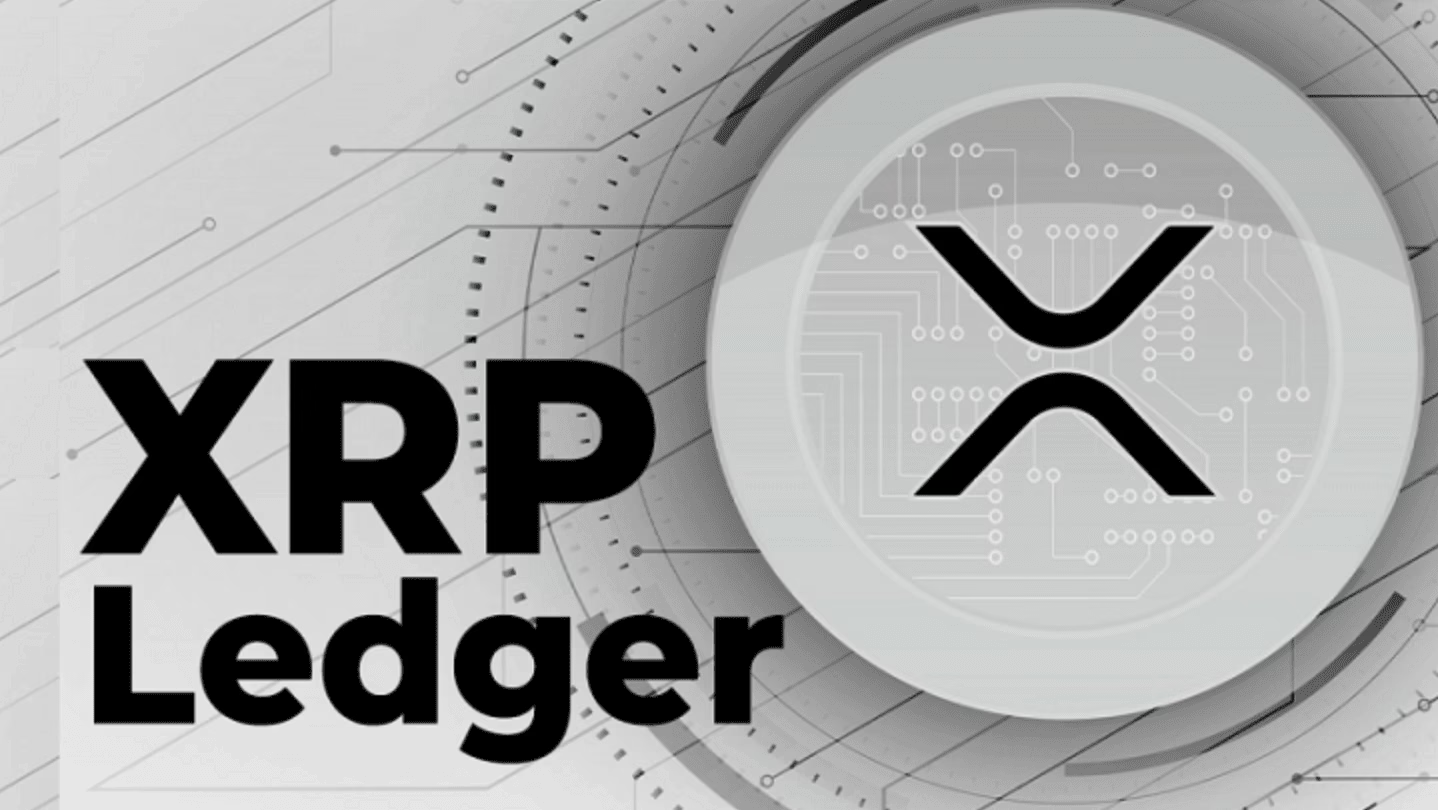
The XRP Ledger lending protocol is seven validator votes short of activation after support rose to 22 on November 11, 2026, up from 19 on October 19, 2026. The amendment needs more than 80% of the network’s 35 default validators, then two consecutive weeks of that support, before banks and payment firms can borrow without posting collateral.
The XRP Ledger uses an amendment-based governance mechanism to introduce changes to its underlying protocol. Proposed amendments must receive approval from at least 80% of the network’s 35 default-list validators, equivalent to 29 votes.
Once an amendment reaches this threshold, it must maintain the required level of support for two consecutive weeks before becoming active.
The latest figures indicate that the LendingProtocol amendment and its first update, LendingProtocolV1_1, each have 22 supporting votes. Meanwhile, SingleAssetVault has received 23 affirmative votes.
These numbers represent an improvement compared with the previous voting assessment published on October 19. At that time, the lending proposals had attracted 19 votes, while the vault-related amendment had secured 21.
The increase suggests that validator confidence in the proposed infrastructure is gradually developing. However, the Ripple lending system cannot proceed to launch until all necessary amendments satisfy the governance requirements.
SingleAssetVault is particularly important because it establishes the pools into which lenders deposit their funds. The lending protocol subsequently uses liquidity from these vaults to facilitate borrowing arrangements.
Beyond the voting process, the proposed lending arrangement introduces a different approach to accessing liquidity on the XRP Ledger.
Under the proposed structure, lenders will deposit XRP or other supported digital assets into designated vaults. These funds will then become available to borrowers through loan brokers, who will arrange fixed-term lending agreements.
Unlike conventional decentralised finance lending platforms that commonly require borrowers to provide collateral, this model is designed to allow loans without borrowers locking up assets as security.
This structure could make the Ripple lending system attractive to payment companies and financial institutions that need temporary access to capital while waiting for cross-border transactions to settle.
However, removing collateral requirements introduces additional risks for depositors. Instead of relying on pledged digital assets to recover outstanding loans, lenders will depend heavily on the credit assessment and risk management capabilities of the brokers facilitating the transactions.
The XRP Ledger’s technical documentation explicitly acknowledges this arrangement, stating that the protocol “relies on off-chain underwriting and risk management.”
They will be expected to assess borrowers, manage credit exposure and contribute first-loss capital, which provides an initial financial buffer against potential losses.
Although the Ripple lending system introduces another potential source of institutional demand for XRP Ledger infrastructure, it does not automatically guarantee that deposited assets will generate returns or remain protected against borrower defaults.
Ripple has previously presented the proposed lending infrastructure to payment companies that require working capital while international settlement transactions are being processed.
While the validator approval process remains incomplete, developers are continuing to improve the technical framework supporting the proposed lending infrastructure.
A GitHub pull request submitted on November 4, identified as number 8685, proposes another amendment called LendingProtocolV1_2.
The proposed update addresses a transaction-ordering issue involving multiple loans associated with the same broker. It is designed to ensure that a group of transactions responsible for creating a loan, including related escrow operations, can fail together if another loan involving that broker is processed first.
Another important development occurred on November 4, when a cleanup amendment designed to repair parts of the lending code was activated at ledger 108,112,129.
The latest figures also show that support is not increasing uniformly across all proposed XRP Ledger amendments. ConfidentialTransfer, which is designed to conceal token balances, declined from 22 to 21 supporting votes. DynamicMPT also experienced a reduction, falling from 18 to 16.
The public voting dashboard provides the number of supporting validators but does not identify individual validators responsible for changing their positions. Its records state that there are “no per-validator rows on any public surface.”
The proposed protocol represents a potential expansion of the XRP Ledger’s institutional financial capabilities. By introducing fixed-term lending and pooled liquidity, the network could support financial activities beyond its established payment and settlement use cases.
The Ripple lending system has not yet received the validator approval required for activation. Its success will depend on whether the remaining votes are secured, whether the amendments maintain sufficient support throughout the two-week approval period and whether financial institutions ultimately adopt the infrastructure.
There are also questions surrounding credit risk, broker accountability and the protection of deposited funds.
Since borrowers will not be required to provide collateral, the quality of underwriting and the financial capacity of lending brokers will be particularly important.
The next milestone will be reaching the 29-vote requirement across the necessary amendments. Until that happens, investors should treat the proposed lending infrastructure as a developing opportunity rather than an operational source of institutional demand.
The Ripple lending system could strengthen the XRP Ledger’s position in institutional finance, but its long-term contribution will depend on implementation, risk management and real-world usage.



Copyright © 2025 - The Bit Gazette.