







- Trending
- Comments
- Latest

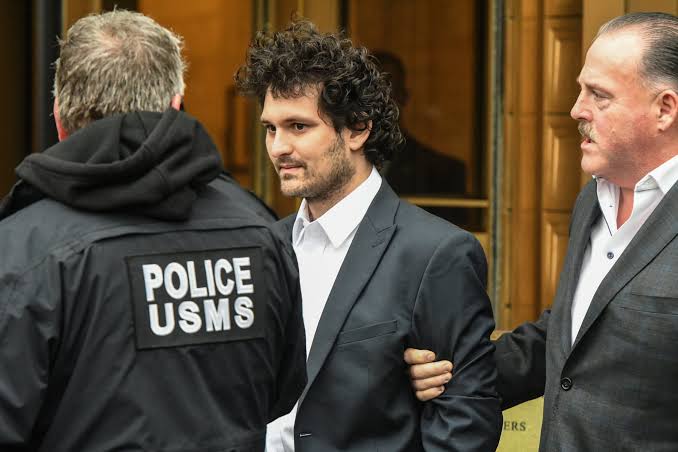
Sam Bankman-Fried, who is serving a 25-year sentence for the FTX fraud, did not rule out returning to crypto when asked in a podcast interview on November 20, 2026. The former FTX chief executive also named artificial intelligence and traditional finance as areas he could explore after prison. He has no announced business plan, and he remains in prison.
Former FTX chief executive Sam Bankman-Fried has indicated that he would seriously consider re-entering the cryptocurrency industry after leaving prison, while also keeping opportunities in artificial intelligence (AI) and the broader financial sector open.
He made the remarks during a November 20, 2026, interview with Eli Goldfine, host of The Supercycle podcast, discussing his professional ambitions, philanthropic interests and views on the financial industry.
The comments offer a glimpse into how Bankman-Fried is thinking about his future following the collapse of FTX in November 2022, an event that triggered widespread financial losses, regulatory scrutiny and a major crisis of confidence across the digital asset sector.
When Goldfine asked whether he would consider returning to cryptocurrency, Bankman-Fried did not rule out the possibility.
The statement does not represent a confirmed business plan or an announcement of a new cryptocurrency venture. Instead, it indicates that the former exchange executive remains interested in industries where he previously built substantial business relationships and investment exposure.
The possibility of his return is notable because Bankman-Fried once occupied a prominent position in the digital asset market. FTX was among the industry’s major trading platforms before its sudden collapse exposed serious weaknesses in its financial management and corporate governance.
Any attempt to rebuild his professional presence would therefore face significant reputational and credibility challenges.
Beyond his interest in cryptocurrency and artificial intelligence, Sam Bankman-Fried also discussed the possibility of returning to philanthropy after his release.
Before FTX collapsed, he publicly supported effective altruism, a movement focused on directing resources towards initiatives considered capable of generating substantial social benefits.
His approach was closely associated with the concept of earning to give. The philosophy encourages individuals to pursue financially rewarding careers and donate a portion of their earnings to charitable organisations and causes.
During the interview, Bankman-Fried suggested that this strategy could remain central to his future plans, even if his damaged public image makes other professional opportunities difficult to pursue.
His comments suggest that he recognises the difficulty of returning to positions involving public influence after the FTX scandal. Although he may still have an interest in generating wealth, rebuilding trust among investors, business partners and the wider public would likely present a much greater challenge.
The former billionaire also acknowledged that his limited access to information while incarcerated makes it difficult to follow developments in financial markets and emerging technologies.
When questioned about potential investment opportunities, he indicated that he would need to conduct proper research rather than rely on outdated knowledge or offer recommendations without sufficient due diligence.
Artificial intelligence emerged as another major subject during the conversation, with Bankman-Fried expressing optimism about the sector’s long-term commercial potential.
He predicted that smaller AI-focused startups could achieve valuations ranging from $100 million to $1 billion over the next few years. However, he also cautioned against businesses using artificial intelligence branding primarily to attract investment without having meaningful technology at the centre of their operations.
Bankman-Fried also discussed Anthropic, an AI developer that received substantial financial backing from FTX and its affiliated trading company, Alameda Research.
In 2021, FTX and Alameda invested approximately $500 million in Anthropic. The investment eventually became part of the bankruptcy estate’s asset recovery efforts after the exchange collapsed.
The stake was subsequently sold for approximately $1.34 billion in 2024 as administrators sought to recover funds for creditors.
Looking back at the company’s development, Bankman-Fried expressed a positive assessment of Anthropic’s position in the artificial intelligence industry.
However, the difference between the original investment and Anthropic’s subsequent valuation also illustrates the opportunity cost associated with selling assets during bankruptcy proceedings.
Despite discussing possible business opportunities after prison, Sam Bankman-Fried remains under a 25-year prison sentence imposed in March 2024 following his conviction on seven counts of fraud and conspiracy.
The prosecution established that billions of dollars in FTX customer funds were diverted to Alameda Research and used for investments, political contributions and other expenditures.
The scandal resulted in one of the most significant corporate failures in cryptocurrency history, leaving customers and creditors facing substantial financial uncertainty.
During the podcast interview, Bankman-Fried also questioned whether imprisonment was an effective punishment for financial crimes. He suggested that certain cases could be addressed through civil proceedings, financial penalties and contractual remedies instead.
When asked whether he still supported prison sentences for white-collar criminals, he responded:
His position is likely to remain controversial, particularly given the scale of the financial losses associated with FTX and the criminal convictions arising from its collapse.
His attempt to overturn the conviction has also faced setbacks. In June 2026, the US Court of Appeals for the Second Circuit rejected his appeal, leaving the conviction and prison sentence intact.
The latest comments should be viewed primarily as an indication of Bankman-Fried’s personal ambitions rather than a development with immediate implications for token prices or market liquidity.
There is currently no confirmed timeline for a return to business, no announced investment vehicle and no evidence of a new cryptocurrency project.
Whether the industry would accept his return is another question entirely. For now, his future remains tied to his legal circumstances, while the wider crypto market continues to move beyond the collapse that made his name internationally recognised.


Copyright © 2025 - The Bit Gazette.

