

- Trending
- Comments
- Latest

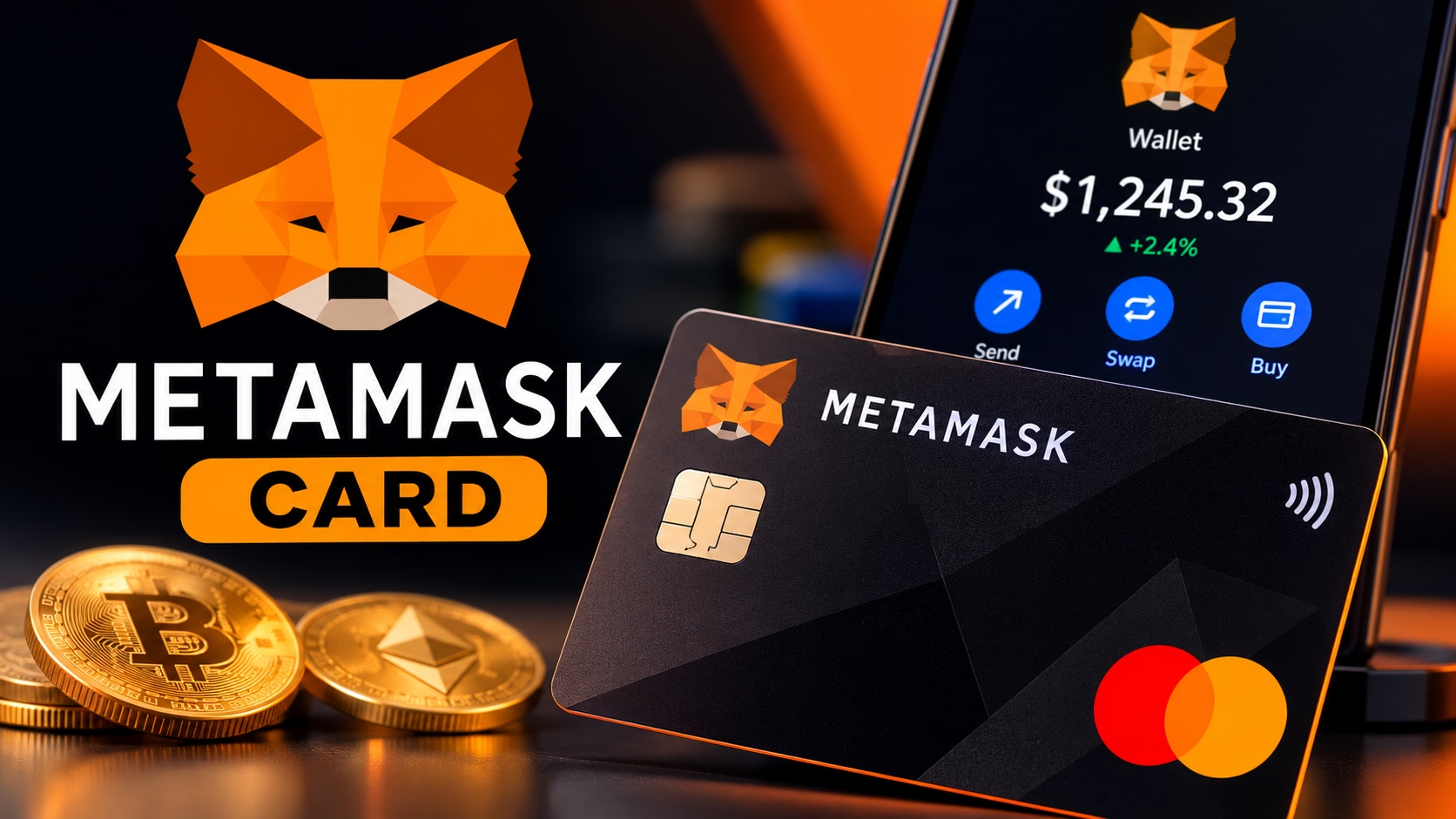
MetaMask Card has expanded into Japan, Thailand, and Vietnam, opening up another route for cryptocurrency holders to use digital assets for everyday purchases. Effective November 25, 2026, eligible users in the three Asian countries can spend supported tokens directly from their MetaMask self-custodial wallets at merchants that accept Mastercard.
The expansion marks another step in MetaMask’s effort to make cryptocurrency payments more accessible beyond traditional trading platforms and exchanges. Rather than requiring users to transfer funds to a centralized exchange before spending, the payment card connects everyday transactions to assets held in their personal wallets.
The development is particularly significant for Asia’s digital asset market, where cryptocurrency adoption, payment infrastructure, and regulatory approaches vary considerably between countries. By entering Japan, Thailand, and Vietnam, MetaMask is extending its payment services into three markets that were previously listed as unsupported.
Unlike conventional prepaid cards that require users to deposit money before making purchases, the card is designed to draw on supported digital assets held in a MetaMask wallet.
When a customer initiates a payment, the selected cryptocurrency is converted into the required fiat currency during the transaction. Mastercard then processes the payment through its existing merchant network, allowing businesses to receive payments through familiar card infrastructure.
This arrangement removes an additional step for crypto holders who would otherwise need to sell their assets through an exchange and withdraw the proceeds before spending.
MetaMask’s original product announcement described the service as a way to retain control of digital assets until the point of payment. The company introduced the card in partnership with Mastercard and Baanx, with the aim of connecting self-custodied wallets to conventional payment systems.
The product has two advertised tiers:
Virtual card: A free digital payment card.
Metal card: A premium physical option advertised at $199 annually.
The rewards structure is another selling point. Depending on the card tier and eligible region, customers can receive cashback in mUSD, MetaMask’s dollar-denominated stablecoin. The advertised rewards include 1% cashback for the standard tier and up to 3% for eligible premium-tier spending. However, regional restrictions apply, and these benefits should not automatically be assumed to extend to every newly supported country.
Although the reported expansion would represent a significant development, current product information requires closer examination before the announcement can be treated as confirmed.
MetaMask’s official card availability page now includes Japan among its supported markets. However, Thailand and Vietnam do not appear on the published list. Furthermore, MetaMask’s localized support documentation has indicated that card registration is unavailable in those two countries.
This distinction matters because the ability to use a payment card internationally is not the same as being eligible to register for one locally. A cardholder from an eligible country may be able to make purchases abroad wherever Mastercard is accepted, but that does not automatically mean residents of every country can apply.
The reported November 25 expansion therefore needs an official announcement or updated eligibility documentation confirming Thailand and Vietnam before the three-country launch can be presented as established fact.
MetaMask’s international growth strategy is nevertheless evident from its earlier expansion announcements. In February 2026, the company announced wider US availability, including the introduction of its premium Metal card. Its original rollout also covered several markets across Europe, the Americas and other regions.
If registration becomes available in Japan, Thailand and Vietnam, the potential benefits would extend beyond cryptocurrency investors.
For everyday consumers, the biggest attraction is the ability to use digital assets without first transferring them to a centralized exchange. This could make crypto more practical for shopping, online subscriptions, travel expenses and other routine payments.
It would also strengthen the connection between blockchain-based financial services and established payment networks. Mastercard’s involvement is particularly important because merchants would not need to introduce separate cryptocurrency payment systems to accept transactions made through the card.
However, availability alone will not determine adoption. Users will also consider transaction fees, exchange rates, supported tokens, spending limits, identity verification requirements and local regulations.
Tax treatment is another important consideration. Spending cryptocurrency can trigger taxable events in some jurisdictions, depending on the asset, transaction and applicable national laws. Consequently, prospective users should understand their local tax obligations before using digital assets for everyday purchases.
For now, the most important development to watch is whether MetaMask formally confirms registration access for Thailand and Vietnam and updates its country eligibility information accordingly.



Copyright © 2025 - The Bit Gazette.