

- Trending
- Comments
- Latest

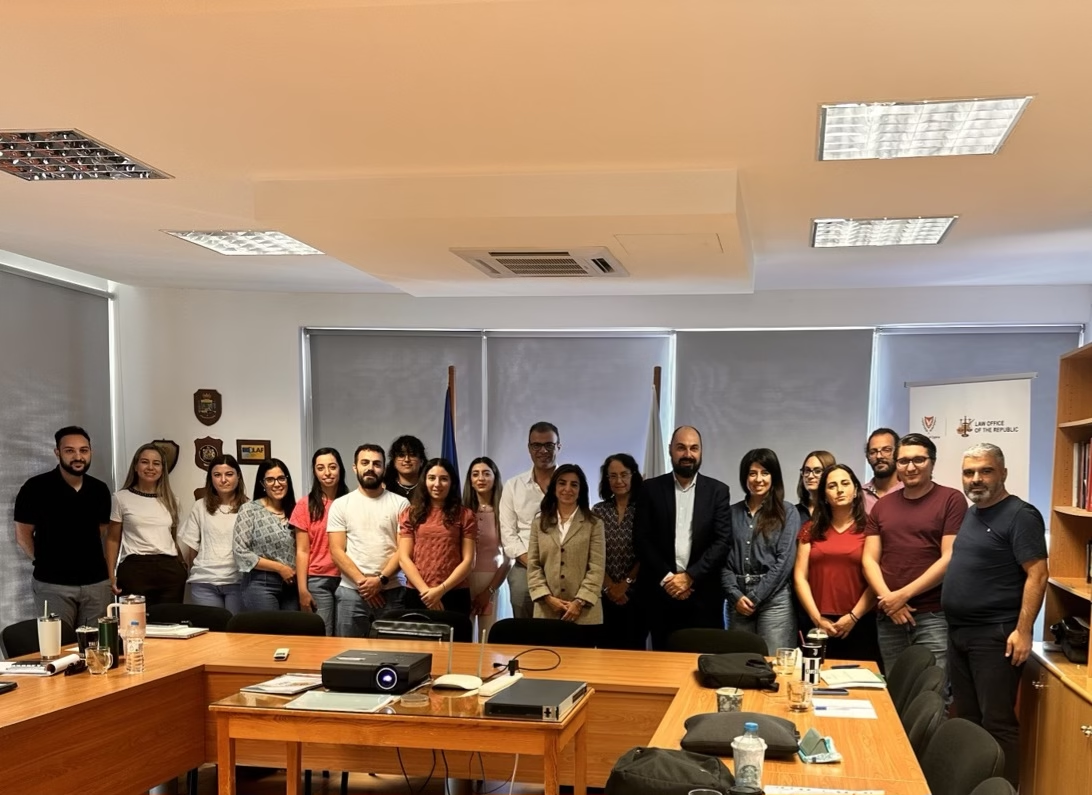
Cyprus’s financial intelligence unit has gone back to the classroom to learn how to trace, freeze and seize crypto. The University of Nicosia’s Institute for the Future trained investigators at MOKAS in Nicosia between September 24 and 29, 2026, after winning a public tender to build a course on blockchain, EU crypto rules and asset seizure, Cyprus Mail reported.
The programme was designed to give MOKAS personnel the technical knowledge needed to assess reports involving cryptocurrency and other digital assets.
Its curriculum began with the technological foundations of crypto-assets and public blockchains, providing participants with an understanding of how digital transactions are recorded and how blockchain networks operate.
The course then examined the European and Cypriot legal and regulatory frameworks governing digital assets. These included the Markets in Crypto-Assets Regulation (MiCA) and the Transfer of Funds Regulation (TFR), both relevant to the regulation and oversight of crypto-related financial activities.
Participants also studied methods for analysing crypto-asset transactions and the tools used to support that work. Such capabilities are important when investigators need to examine transaction histories, understand the movement of assets and assess information contained in financial intelligence reports.
Dr Charis Savvides led the teaching, alongside Professor George Giaglis, executive director of the Institute for the Future, and Professor Apostolos Kourtis.
Savvides said the programme was intended to strengthen existing investigative capabilities rather than turn participants into blockchain specialists within a few days.
“Crypto-assets are now a routine feature of financial crime reporting, and the skills needed to read that reporting properly are specific and learnable,” — Dr Charis Savvides, instructor of the programme.
Regulatory knowledge formed a central part of the programme, reflecting the growing importance of compliance in the digital asset sector.
MiCA establishes a harmonised regulatory framework for crypto-asset markets across the European Union, including requirements applicable to certain crypto-asset service providers and issuers. The Transfer of Funds Regulation extends relevant information requirements to transfers involving crypto-assets, supporting efforts to improve traceability and prevent the misuse of financial services.
The university’s programme brought these technical and regulatory elements together. By combining blockchain fundamentals with transaction analysis, the course sought to help participants assess crypto-related information more effectively.
This aspect of crypto-asset training is particularly relevant to investigations in which digital assets may move through multiple wallets or services before investigators can establish their significance.
The programme’s emphasis on analytical skills therefore addressed the need to interpret digital evidence within the broader context of financial intelligence and legal requirements.
Beyond technology and regulation, the course examined the procedural requirements involved in locating, freezing and seizing crypto-assets.
These processes can present practical challenges for investigators because digital assets may be held in different types of wallets or accessed through cryptocurrency service providers operating across multiple jurisdictions.
Locating an asset is only one stage of an investigation. Authorities must also understand the legal basis for restricting access to it, the procedures governing seizure and the requirements for handling assets in accordance with applicable rules.
The university included these issues in the curriculum to provide participants with a broader understanding of the investigative process.
Savvides explained that the programme’s objective was to equip experienced professionals with the technical grounding needed to examine financial intelligence reports rigorously.
“It was to give experienced financial intelligence professionals the technical grounding to interrogate what arrives on their desks with the same rigour they already apply to everything else.” — Dr Charis Savvides, instructor of the programme.
The emphasis on practical application distinguishes specialist training for financial investigators from general cryptocurrency education. Officers need to understand not only how digital assets function but also how to assess information about them, recognise investigative leads and follow the appropriate legal procedures.
The crypto-asset training programme therefore addressed several connected stages of financial investigation, from understanding blockchain transactions to considering how assets can be located and secured through lawful processes.
The programme builds on the University of Nicosia’s established work in blockchain technology and digital asset education.
The institution has taught blockchain and digital assets since 2013 and was the first university worldwide to offer a full academic degree in the field. Its Institute for the Future conducts research and provides executive and professional education covering distributed ledger technologies, digital assets and their regulation.
The IFF also offers specialist programmes for professionals working in areas connected to digital asset investigations. Its broader educational work includes courses designed to strengthen the capabilities of law enforcement officers, prosecutors and financial crime investigators.
MOKAS’s participation in the programme reflects the value of specialised technical education for professionals whose responsibilities increasingly intersect with digital finance.



Copyright © 2025 - The Bit Gazette.